Damaged Plumbing Replacement in Denver, CO
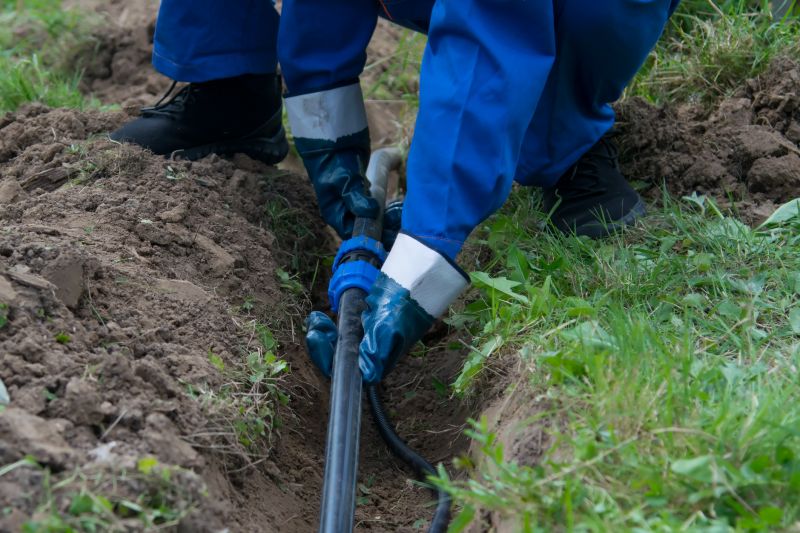
Damaged plumbing replacement services involve removing and installing new pipes or fixtures to address issues caused by corrosion, leaks, bursts, or other forms of deterioration. These projects typically cover replacing damaged water supply lines, drain pipes, or fixtures such as sinks, toilets, and faucets. Property owners often seek this service when plumbing problems persist despite repairs, or when aging pipes threaten to cause further damage or water waste. Understanding the scope of the replacement, the materials used, and the overall process can help homeowners make informed decisions about restoring their plumbing systems effectively.
Before requesting damaged plumbing replacement, property owners should evaluate the extent of the damage and consider the age of existing pipes and fixtures. It’s helpful to know if the project involves partial or complete replacement and whether upgrades to more durable or efficient materials are desired. Clarifying the specific plumbing components affected, the potential impact on daily routines, and any necessary permits or inspections can ensure the replacement process proceeds smoothly and meets local building standards.
Many property owners in Denver, CO look into Damaged Plumbing Replacement for repairs, replacements, upgrades, and appearance-related improvements.
Signs Of Plumbing Damage
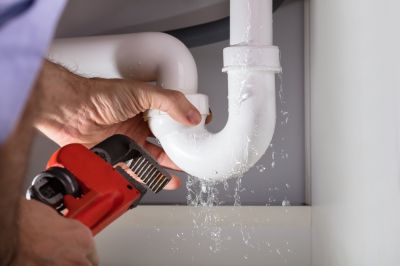
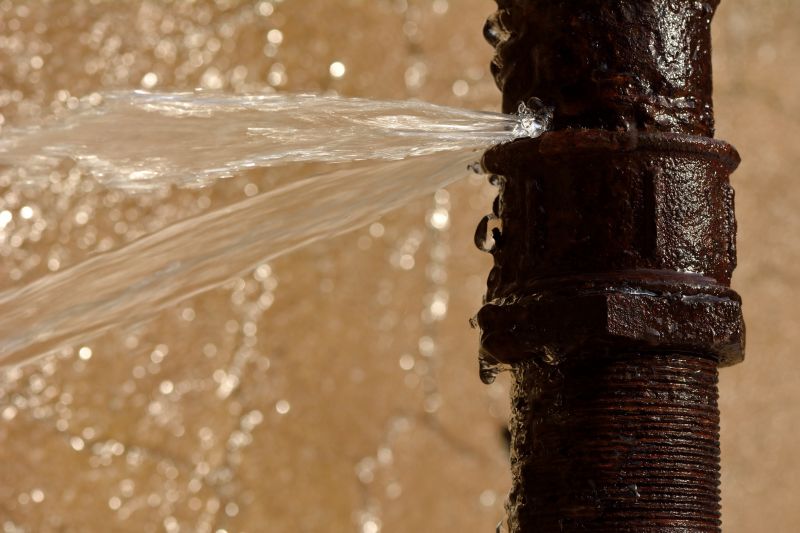
Visible leaks, reduced water pressure, and unusual noises may indicate plumbing issues needing replacement.
Common Replacement Projects
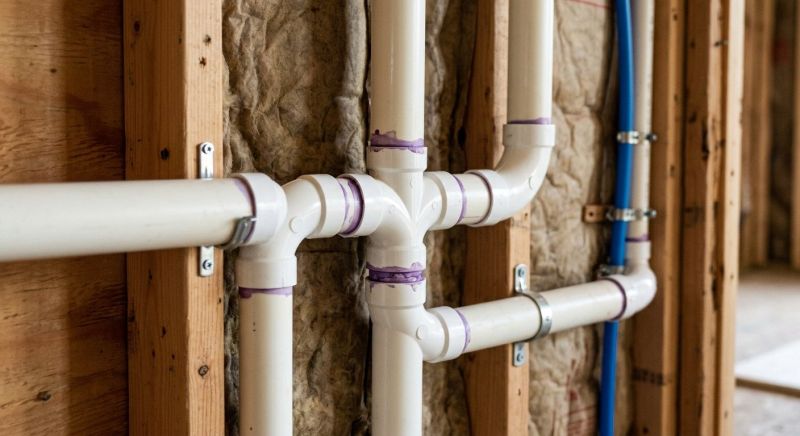
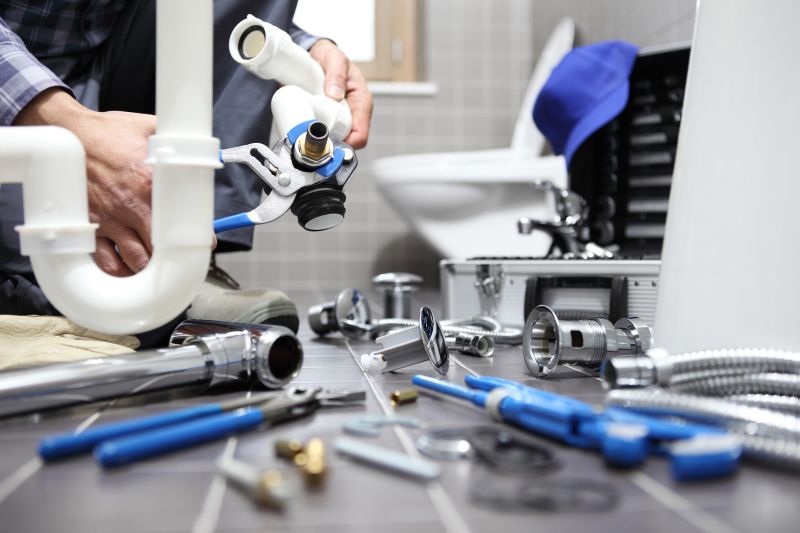
Replacing corroded pipes, outdated fixtures, or damaged water lines ensures reliable plumbing in denver homes.
Benefits Of Upgrading Plumbing
Modern plumbing systems can improve water efficiency, reduce future repairs, and enhance overall property value.
Damaged Plumbing Replacement in Denver, CO

Damaged plumbing replacement services involve removing and installing new pipes or fixtures to address issues caused by corrosion, leaks, bursts, or other forms of deterioration. These projects typically cover replacing damaged water supply lines, drain pipes, or fixtures such as sinks, toilets, and faucets. Property owners often seek this service when plumbing problems persist despite repairs, or when aging pipes threaten to cause further damage or water waste. Understanding the scope of the replacement, the materials used, and the overall process can help homeowners make informed decisions about restoring their plumbing systems effectively.
Before requesting damaged plumbing replacement, property owners should evaluate the extent of the damage and consider the age of existing pipes and fixtures. It’s helpful to know if the project involves partial or complete replacement and whether upgrades to more durable or efficient materials are desired. Clarifying the specific plumbing components affected, the potential impact on daily routines, and any necessary permits or inspections can ensure the replacement process proceeds smoothly and meets local building standards.
Many property owners in Denver, CO look into Damaged Plumbing Replacement for repairs, replacements, upgrades, and appearance-related improvements.
Common Damaged Plumbing Replacement Jobs
Damaged Pipes Replacement - involves removing and installing new pipes to restore proper water flow.
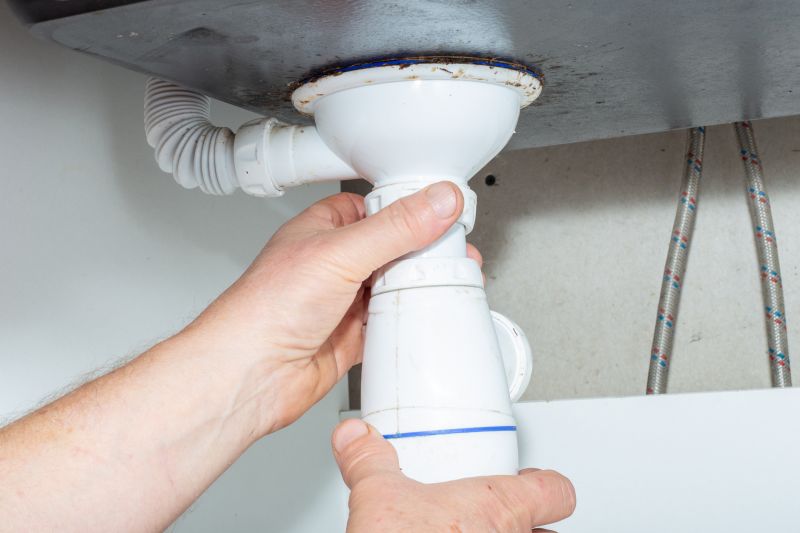
Faucet and Fixture Replacement - updates or replaces broken or leaking faucets and fixtures.
Leak Detection and Repair - identifies hidden leaks and replaces damaged plumbing sections.
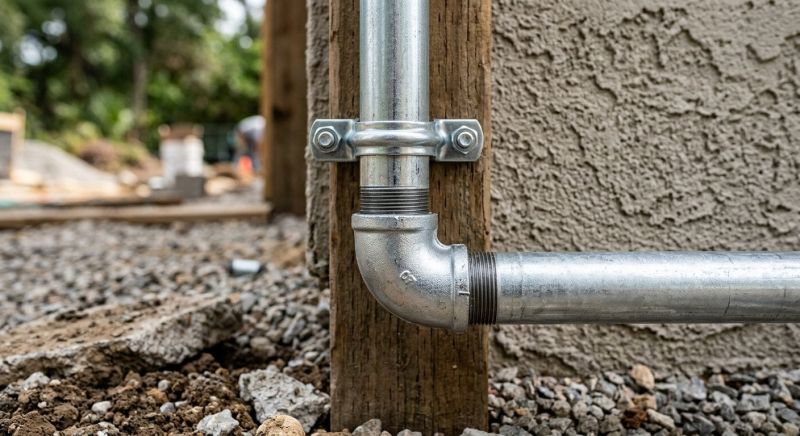
Water Line Replacement - replaces corroded or broken water lines to prevent water damage.
Sewer Line Replacement - removes and replaces damaged sewer lines to ensure proper waste removal.
Emergency Plumbing Replacement - addresses urgent plumbing failures to prevent property damage.
Damaged Plumbing Replacement Questions
What types of plumbing damage require replacement? Significant pipe corrosion, cracks, or leaks that cannot be repaired effectively often require replacement to restore proper function.
How can I tell if my plumbing needs to be replaced? Signs include frequent leaks, low water pressure, discolored water, or persistent clogs that suggest pipe deterioration.
What materials are commonly used for plumbing replacement? Copper, PEX, and PVC are typical materials used for replacing damaged plumbing lines depending on the application.
What should property owners consider before replacing damaged plumbing? It's important to assess the extent of damage, compatibility with existing systems, and the overall condition of the plumbing network.
Request Damaged Plumbing Replacement in Denver, CO
Use the quote form on this page to share the basics of your project and request more information for the type of work you need.